FIELD NOTES · STARS AFTER DUSK
The field journal
Original observing notes, worked comparisons and practical routes from the sky map to the evening outside.
THE FIELD JOURNAL
Anniversary Moon print: resolution, paper and frame planning
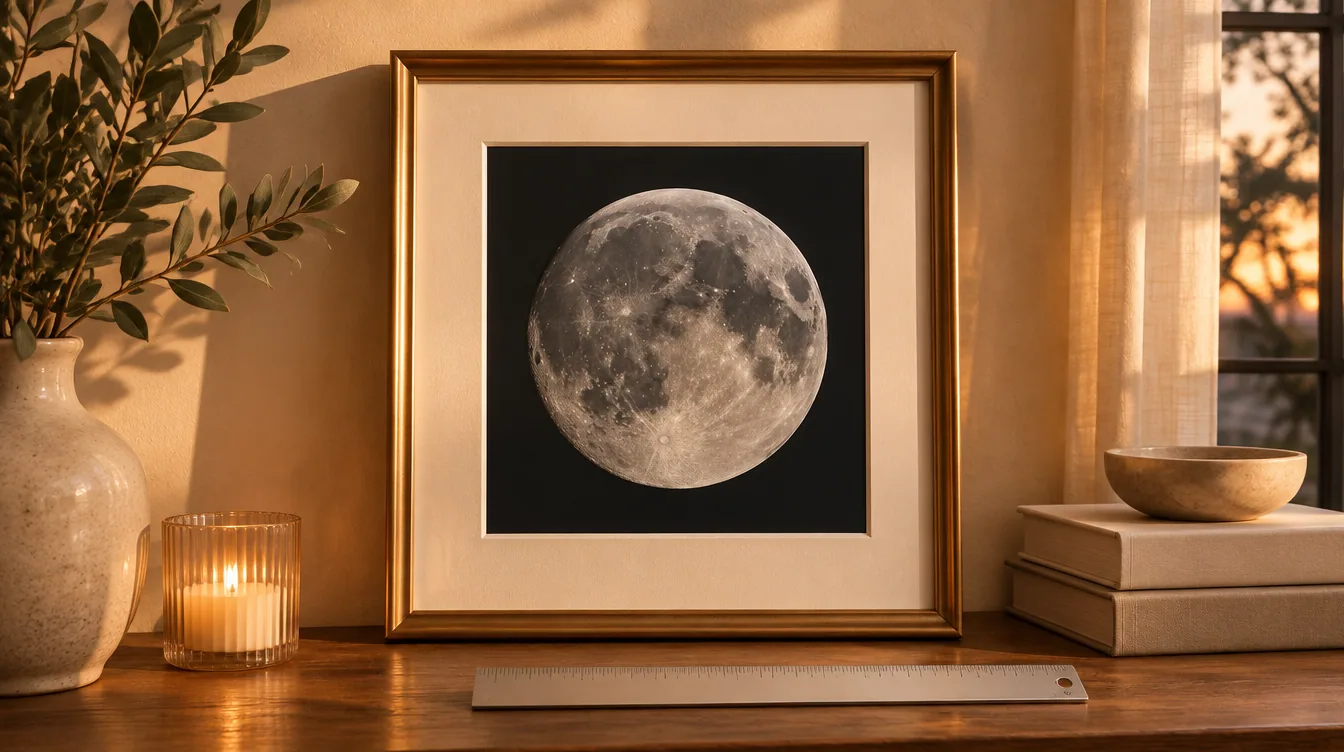
Plan an anniversary Moon keepsake around the verified 2400 × 3000 PNG export, an 8 × 10 print and a frame that fits.
THE FIELD JOURNAL
Birthday Moon print: choosing the date, time and time zone
Make a birthday Moon keepsake with a clear record of the local date, time zone and any uncertainty about the birth time.
THE FIELD JOURNAL
Calculated Moon phase vs a photograph: what a print shows
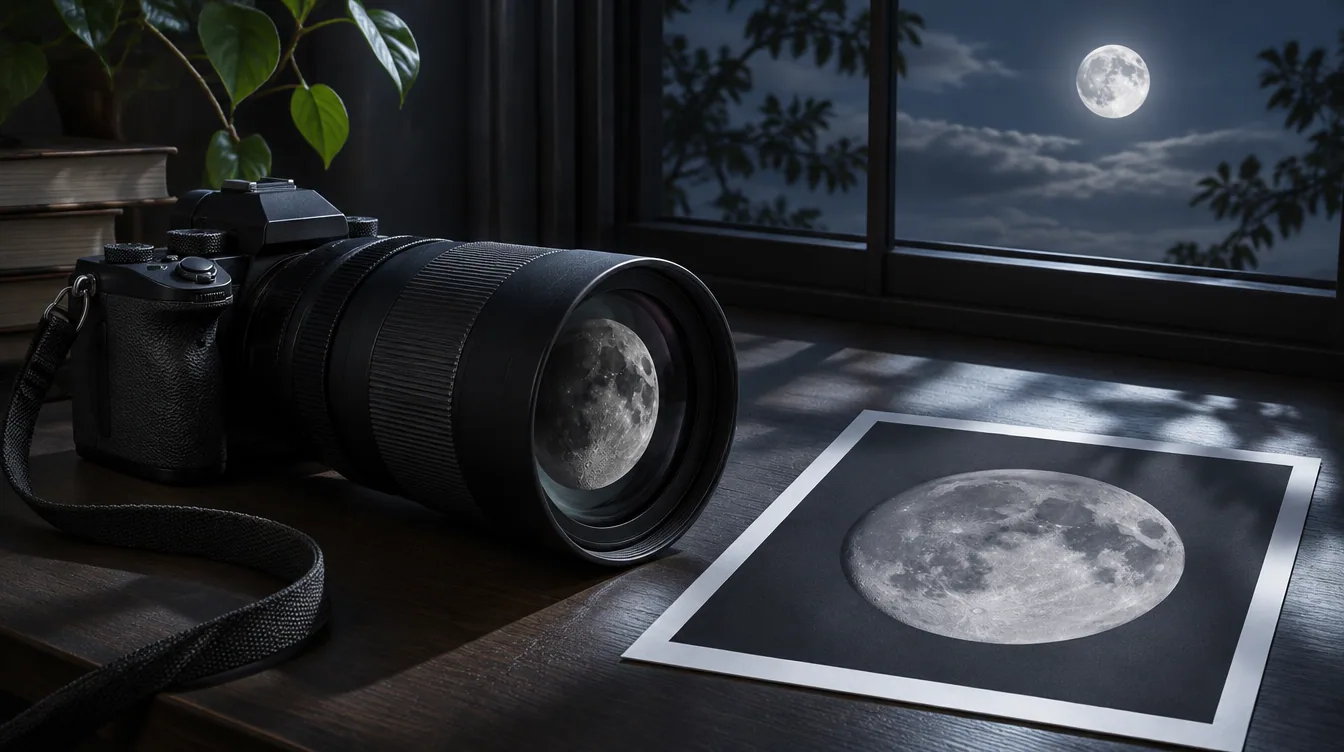
Understand phase percentages, lunar maps and real photography before treating a dated Moon rendering as a record of the sky.
THE FIELD JOURNAL
How to use a sky calendar: local times and hemispheres
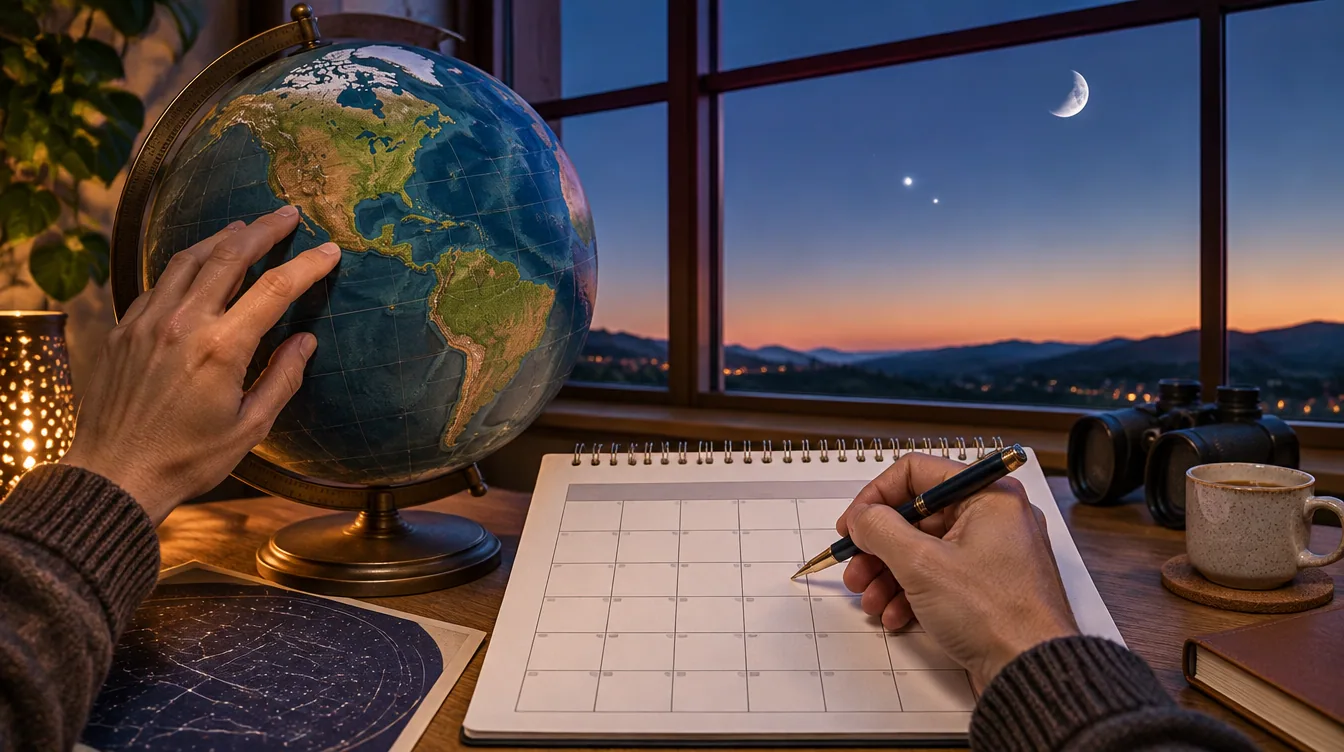
Read monthly Moon phases, meteor peak nights and eclipse listings without confusing time zones, reference cities or hemispheres.
THE FIELD JOURNAL
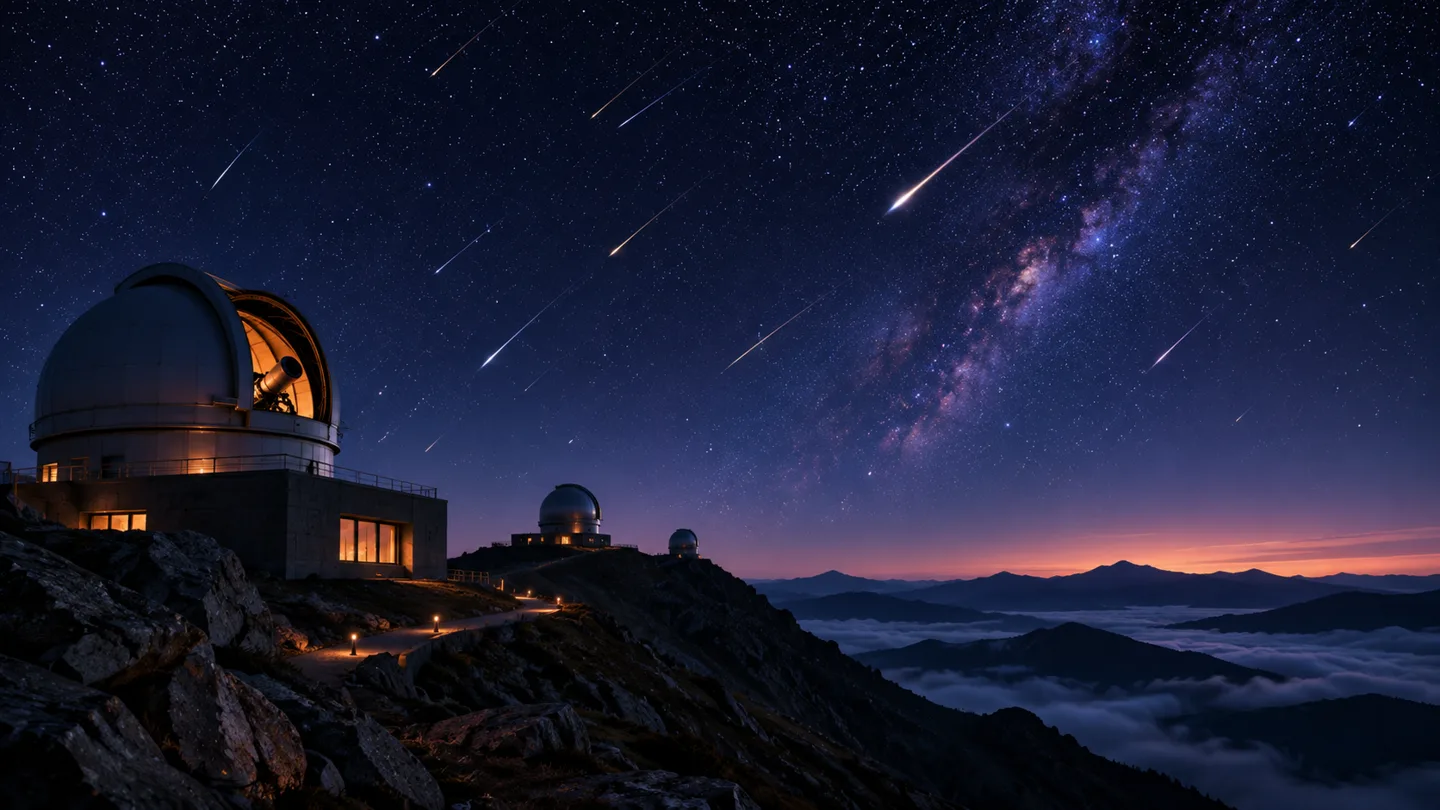
Plan your next meteor watch: location, moonlight and the Geminids
Use the December 2026 Geminids to plan a meteor watch around local darkness, a broad horizon and the Moon rather than a promised count.
THE FIELD JOURNAL
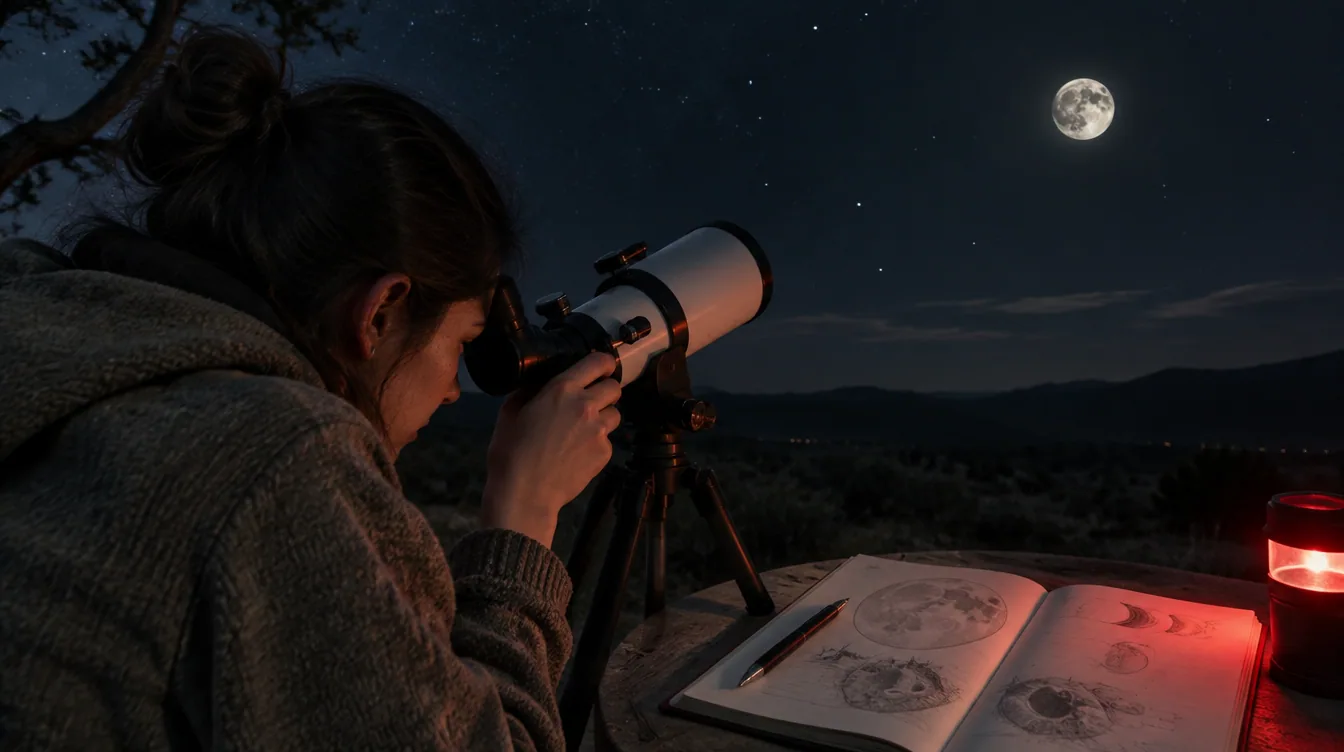
How to read Moon craters and the terminator
Use changing lunar shadows, dark maria and a correctly oriented map to make a useful first Moon observation.
THE FIELD JOURNAL
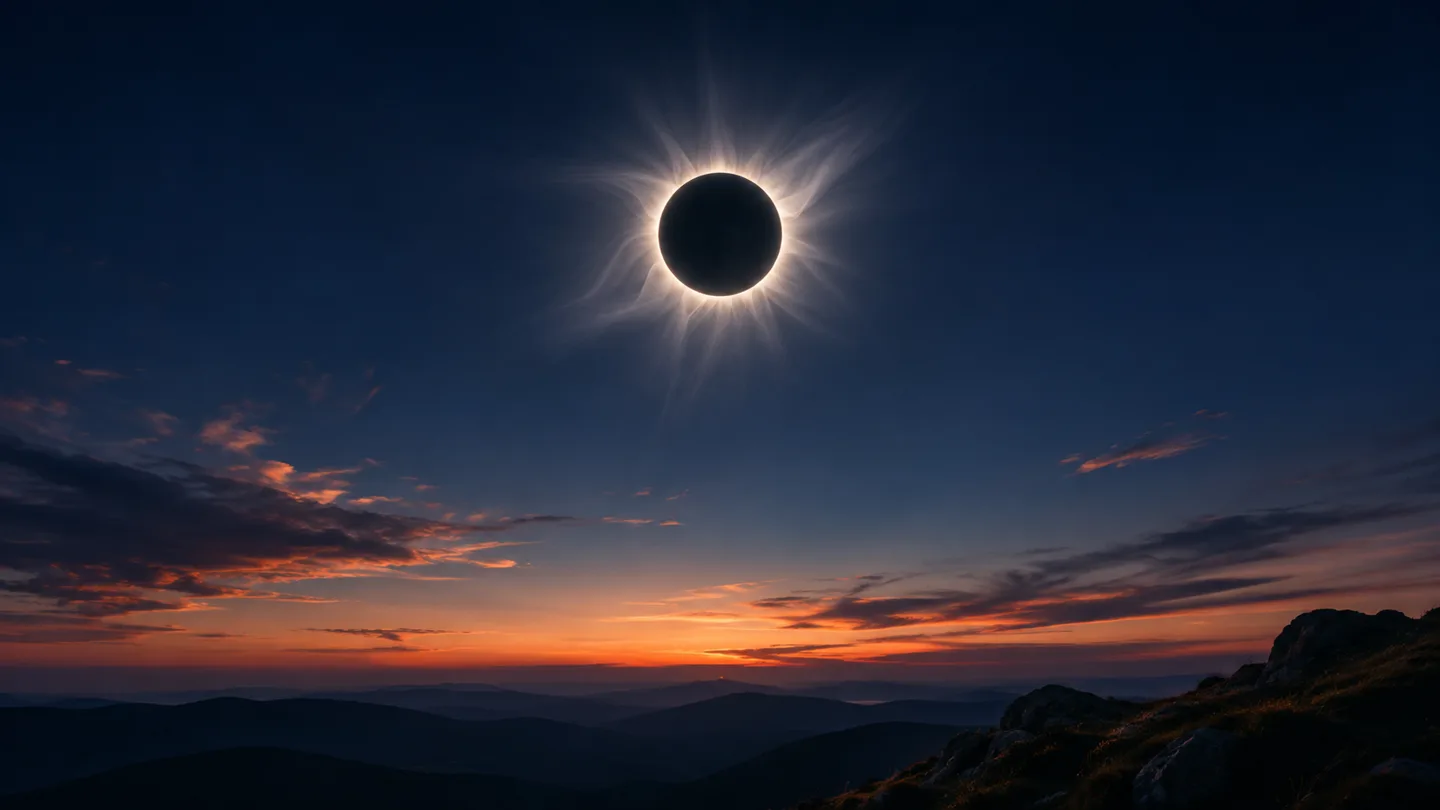
Solar eclipse visibility: make a local, safe observing plan
Check the eclipse path, exact observing location and local times before planning a solar eclipse outing, with authoritative eye-safety guidance.
THE FIELD JOURNAL
Stargazing with kids: a first night without a telescope
Build a short family skywatch around one visible target, a safe familiar place and simple observations, with no optics required.
EDITORIAL ILLUSTRATION · FIELD JOURNAL
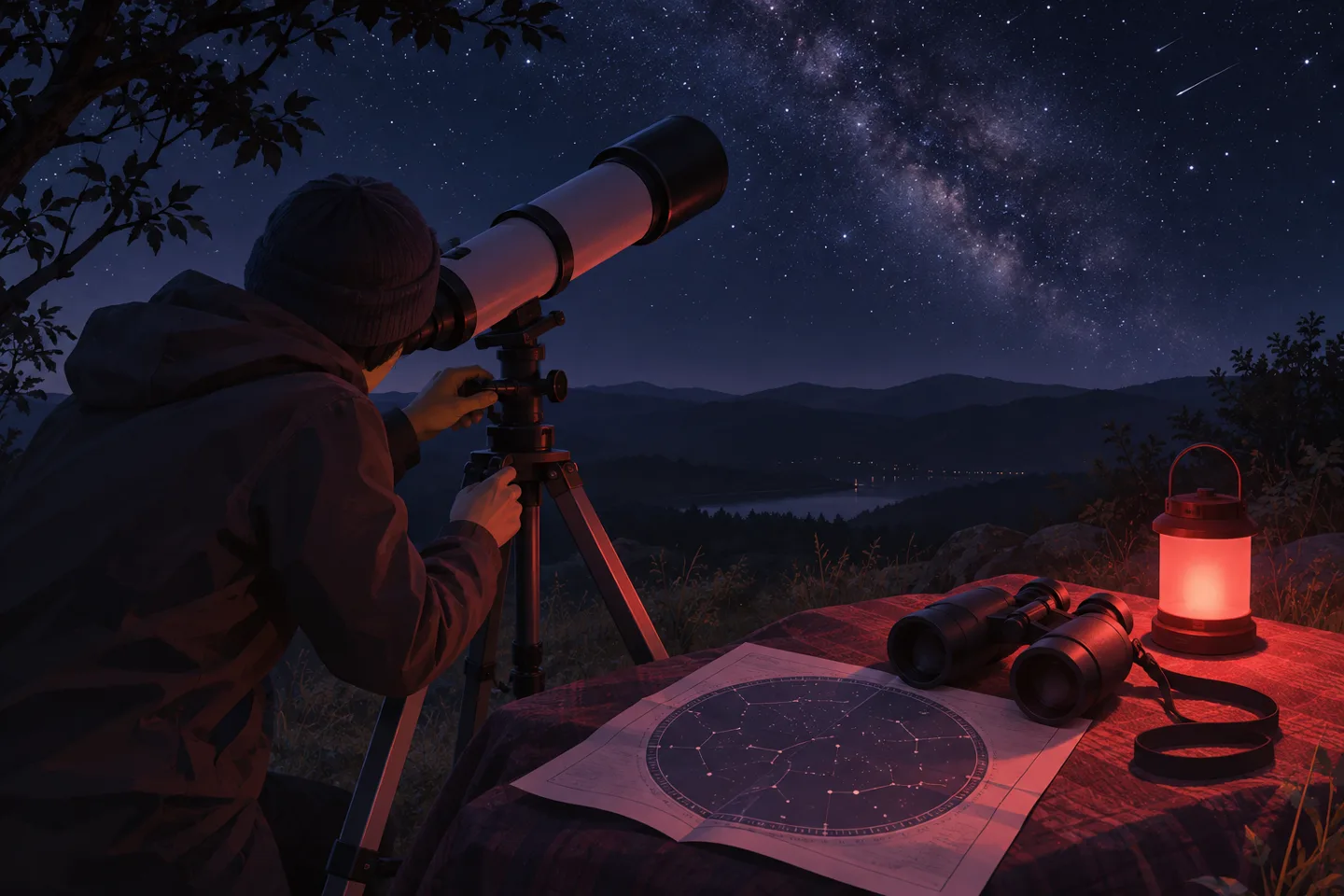
Choosing a first telescope: aperture, mount and eyepieces
Compare a practical refractor setup with binoculars and understand eyepiece focal length before buying.
EDITORIAL ILLUSTRATION · FIELD JOURNAL
How to plan for a meteor shower
Use an official peak prediction, your horizon and local darkness to plan a realistic meteor watch.
EDITORIAL ILLUSTRATION · FIELD JOURNAL
Solar eclipses: why location changes the view
Understand why a country-wide eclipse headline cannot substitute for local circumstances.
THE FIELD JOURNAL
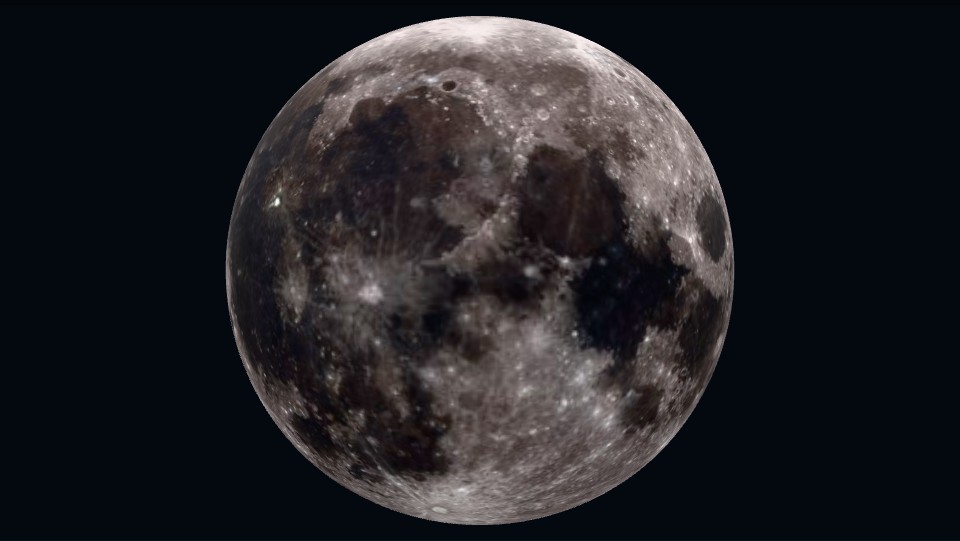
Why the Moon’s dark markings are not its phase
Compare the Moon’s mapped surface with its changing illuminated fraction, using a real NASA 3D model and date calculations.
THE FIELD JOURNAL
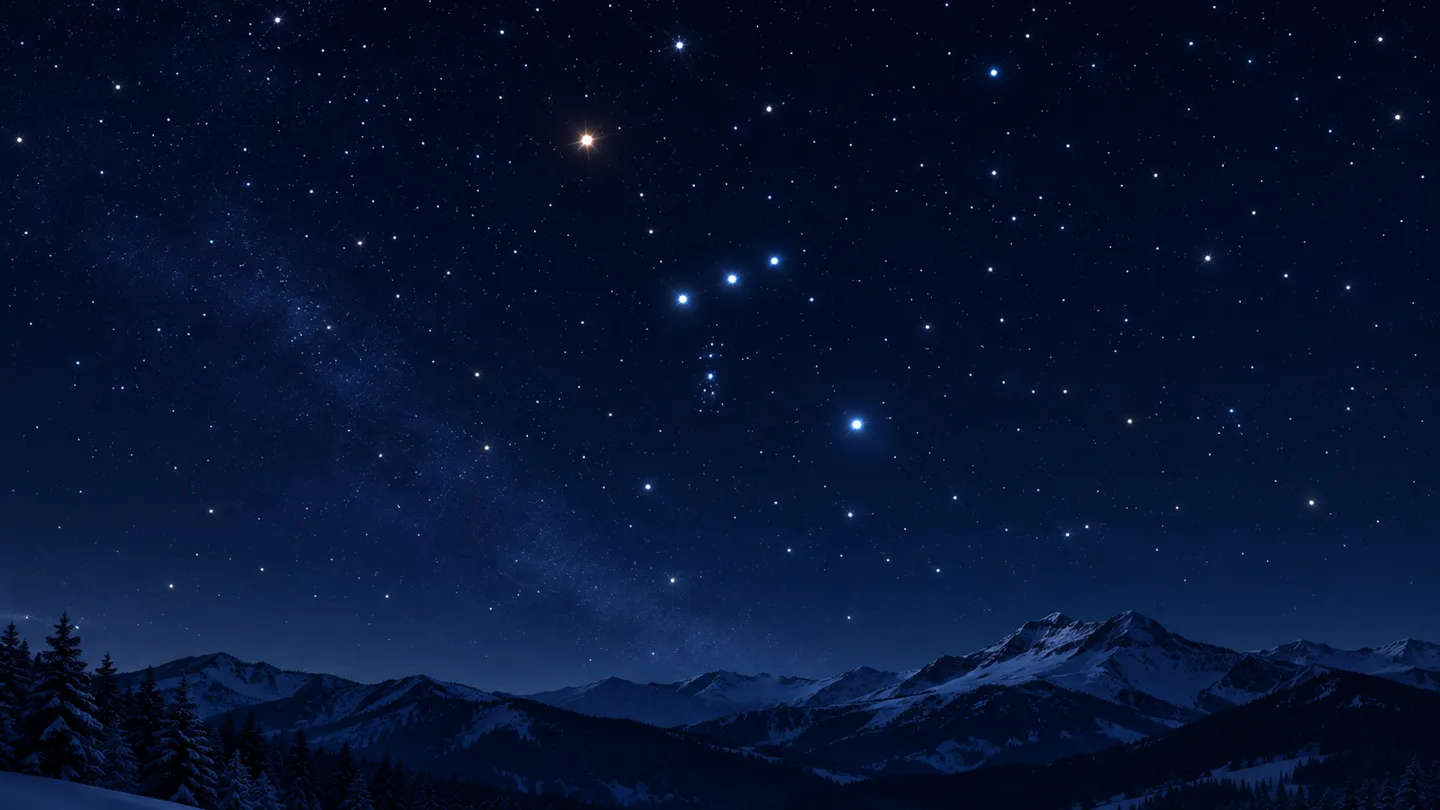
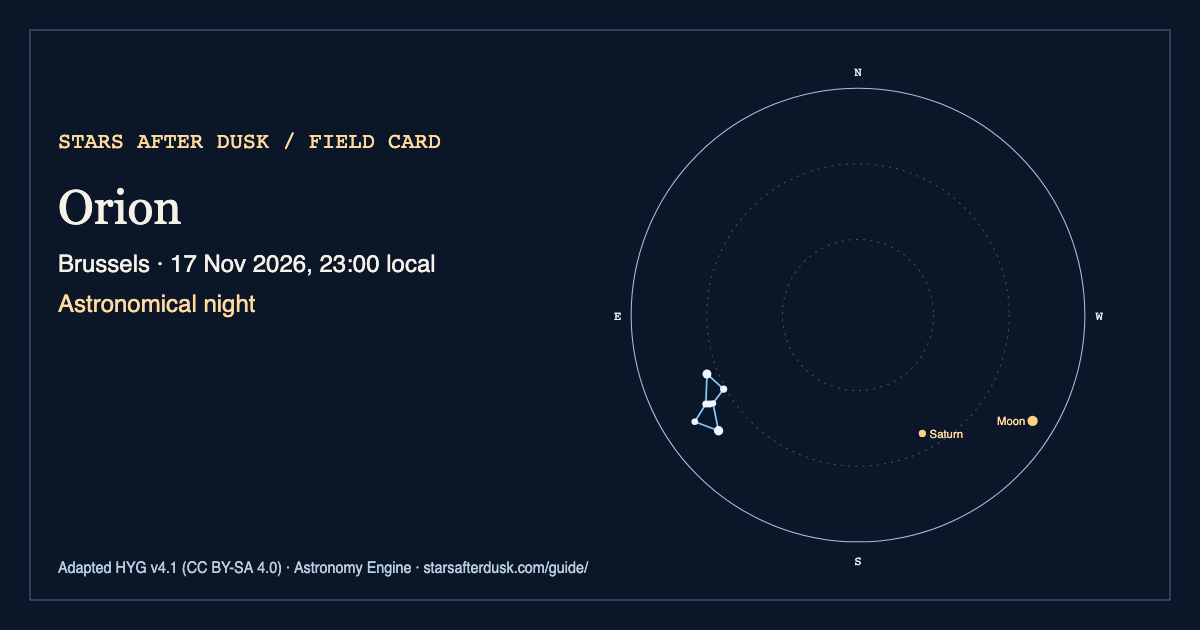
How do you find Orion’s Belt in the night sky?
Find the three belt stars, confirm Orion by its outline, and pick an observing time for your city.

THE READING PATH
Orient. Observe. Record.
Begin with the first-night guide for the full method. Use a specific field note when you have a question, then test the idea with the matching tool.